
The morning of the big eclipse I was at Nickerson and shot some skimmers and terns...
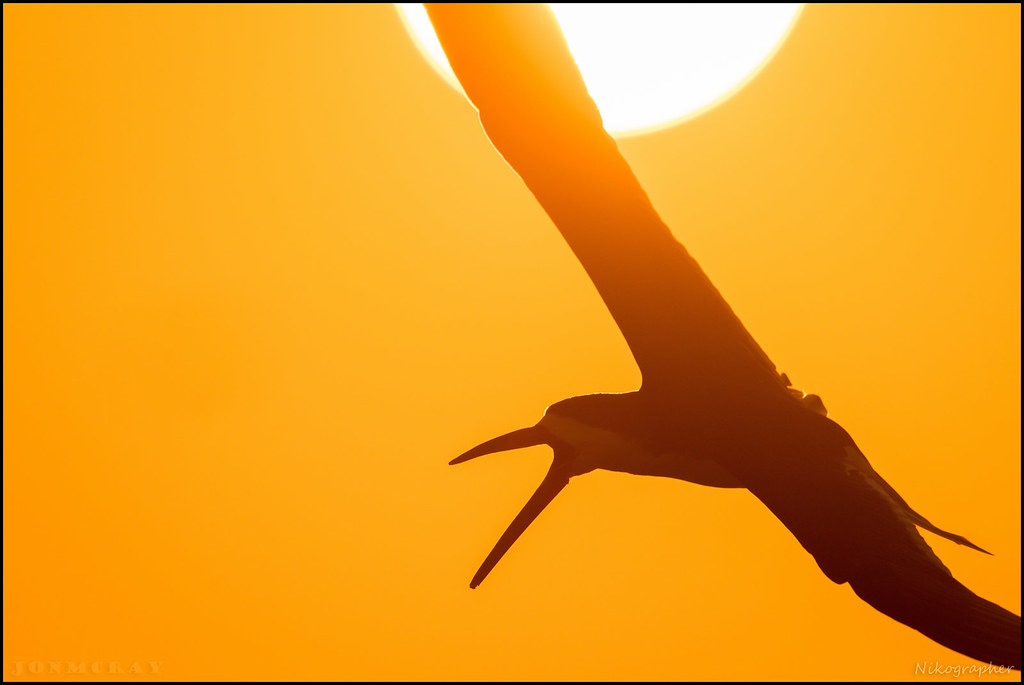
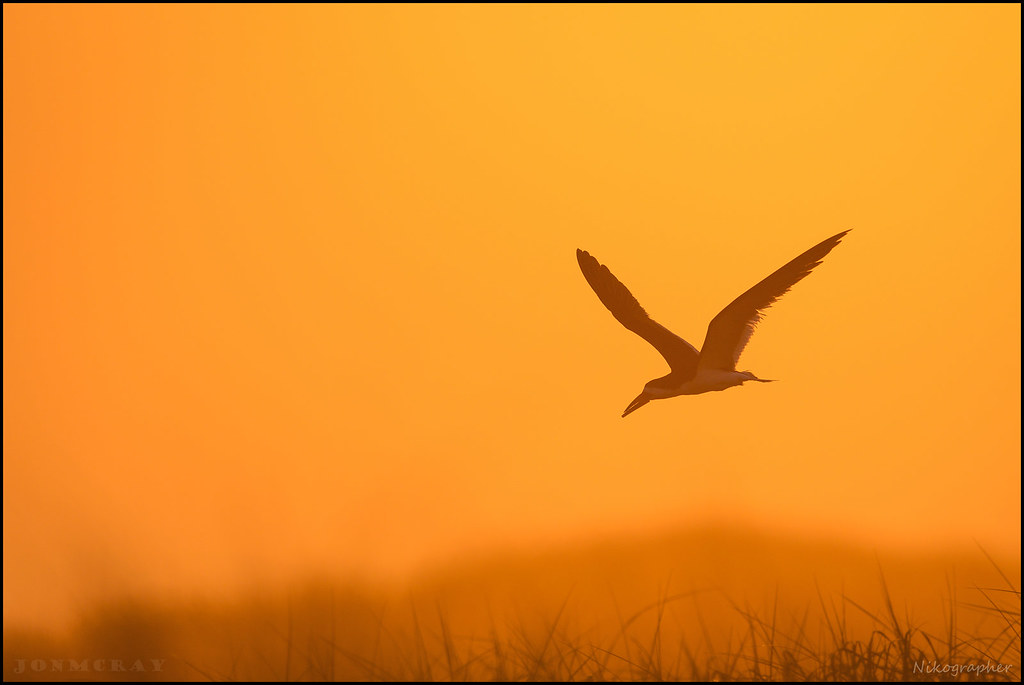
There was a shipping container on the beach, I assume it is used for storing Life Guard and beach maintenance supplies, but IDK...
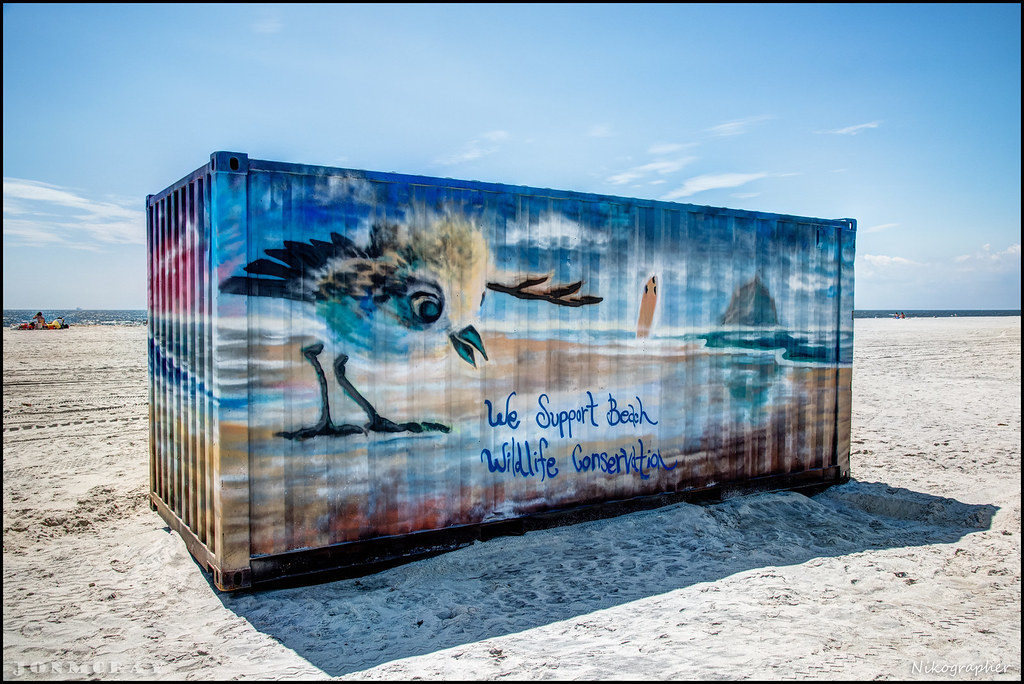
The paintings on it were pretty cool, I had to shoot them.
-Jon
Read more On "A few recent Nickerson photos - summer 2017"!

Tuesday, August 29, 2017
A few recent Nickerson photos - summer 2017


Tuesday, July 4, 2017
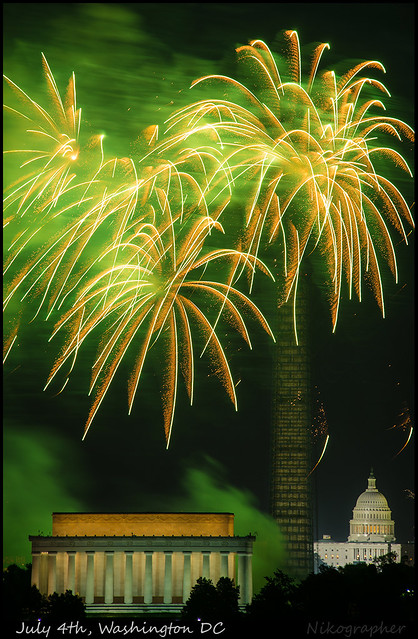
Fireworks - 4th of July 2017
I'm getting ready to shoot the fireworks tonight, and shared this image from 2013:
For some tips and inspiration check out Angela's site and video:
http://www.abpan.com/tag/fireworks/
Read more On "Fireworks - 4th of July 2017"!
Wednesday, June 7, 2017
Herons at the zoo
Some Black-Crowned Night Herons at the US National Zoo.

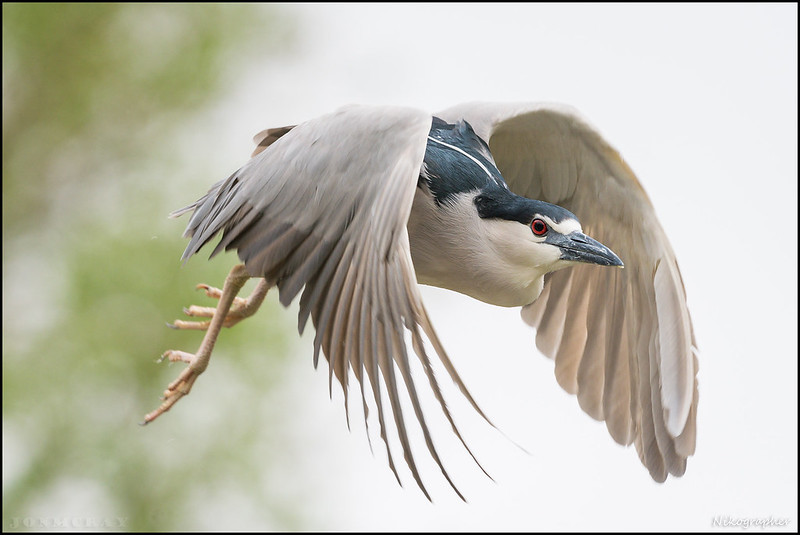
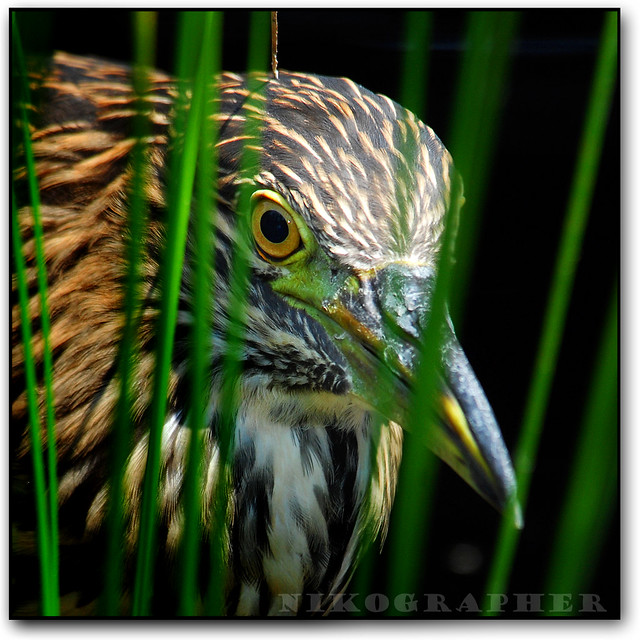
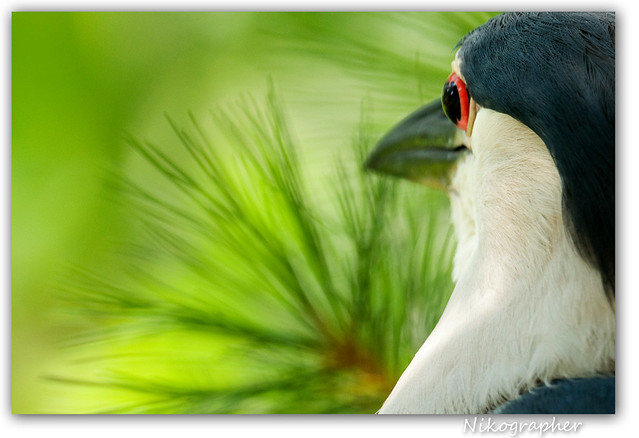
Read more On "Herons at the zoo"!
Monday, May 22, 2017
Infinity Mirrors Yayoi Kusama at the Hirshhorn
A week ago I went to see the Kusama exhibit in Washington D.C. at the Hirshhorn Gallery.
I was lucky to have a friend gift me an un-timed ticket and I went on the second to last day. I got in very shortly after they opened and the lines were still short inside.
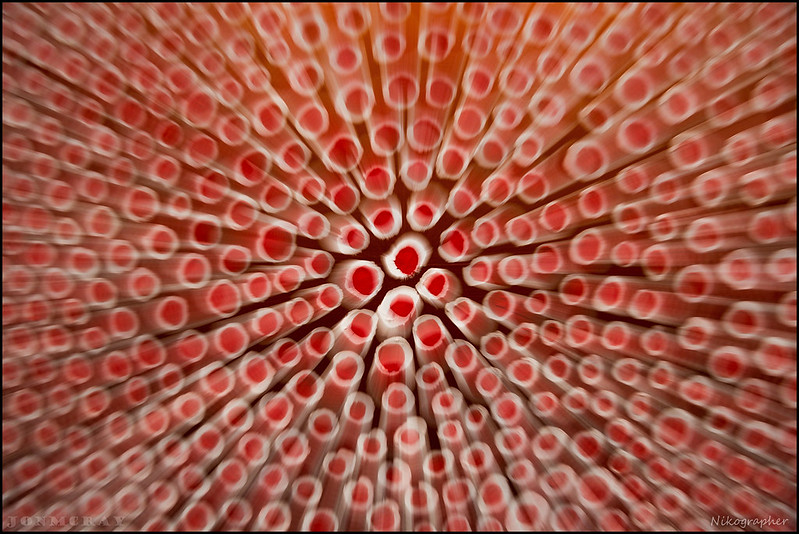
One one the things that caught my eyes was this painting, which was displayed along with the Mirrors exhibit. I tried something different and went for the slow shutter speed and lens zooming during the exposure. Of a huge number of tries, a handful came out ok and I liked this one in particular.
The original painting is called "End of the Universe, Abode of Love".
The rooms that contain the Infinity Mirrors pieces are fairly small, and can hold a couple of visitors at a time. With this being so popular, each set of visitors is timed and allowed between 20 and 30 seconds depending on the one (or maybe the docent's interpretation of the time limit, IDK).
Once I had seen the first exhibit/room, I knew that shooting just inside was going to leave me wanting more. And I also wanted to somehow capture the visitors going in or going out. I lurked outside a few of them, and with the one below captured something close to what I hoped for. Again I used a slow shutter speed, and this time with the moving mirrored door, the reflections are stretched out horizontally. And the door helps to bridge the inside with the outside. I wish I had spent much more time with this approach.
Finally here's one from inside. This is shot with a D4 and 35mm perspective control (PC), manual focus lens. I only shot a very brief amount of time with this lens inside the exhibits because getting good focus in the dark in 20 seconds while examining a scene I've never experienced before is all too much. I realized this when I chimped my shots from one room and found almost all of them out of focus. I just hadn't gotten it right. The other setup I was using was a D810 w/ 24-120mm f/4.
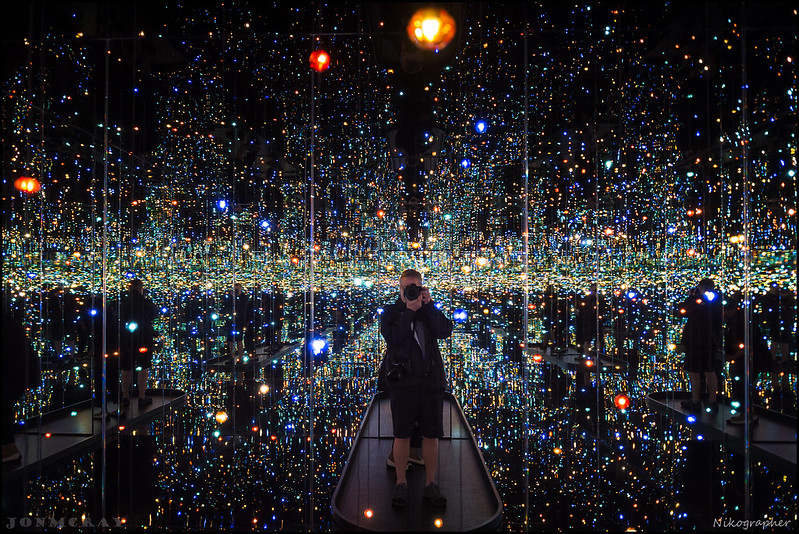
I also posted the above to Instagram, and cut off my legs which were distracting in the flickr verison in my opinion.
There are still a lot more images I'd like to share. Here's a small collage of 4 more images from the day.

Have you seen this or another one of Kusama's exhibits? What did you think?
-Jon
Read more On "Infinity Mirrors Yayoi Kusama at the Hirshhorn"!
Thursday, May 18, 2017
Where I go to Reflect
Some of my favorite recent landscape photos are shot in Lido along the first jetty.
My "trick" is to either go bare foot and stand in some water, and use the wet sand and receeding waves to create my mirror for a reflection. Or I run in and out of the remains of the waves while wearing shoes and wimping out on getting wet.
Here are a couple fairly recent photos (all HDRs from 3 images).
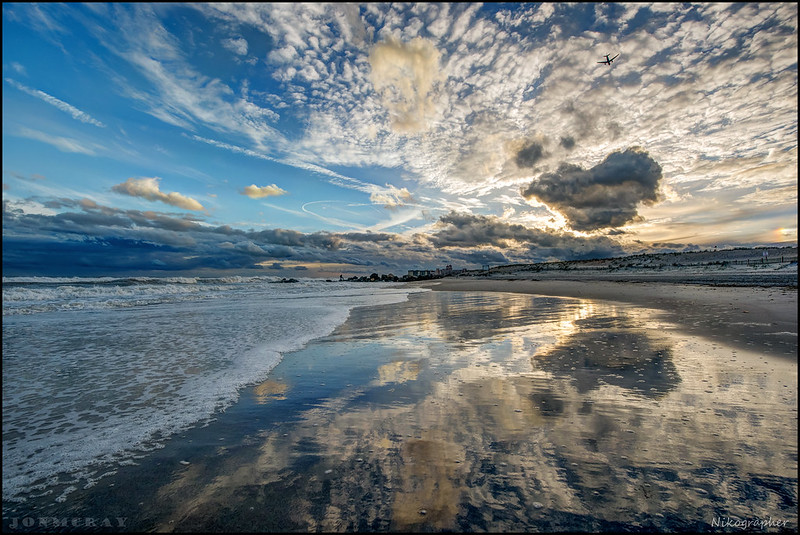

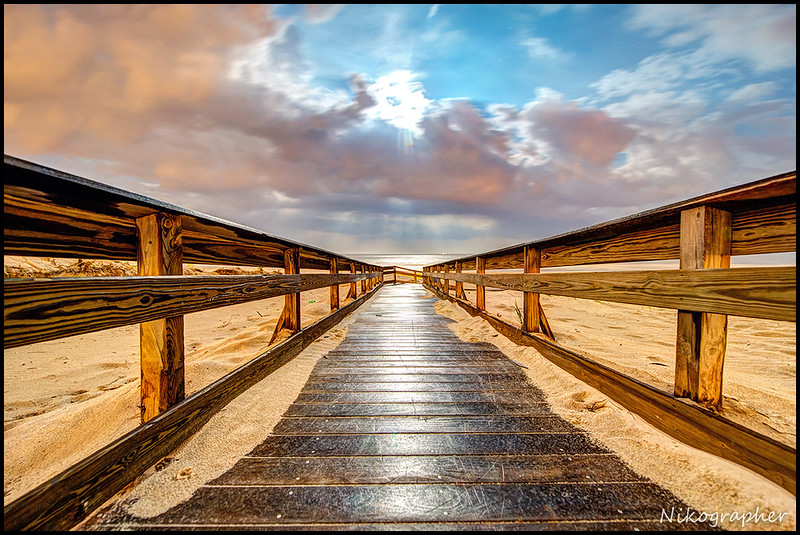
And here's a long exposure that looks relatively normal, but it is in fact a night shot done under a nearly full moon. The recent rain helped.
-Jon
Read more On "Where I go to Reflect"!
Sunday, April 30, 2017
Home by the Sea
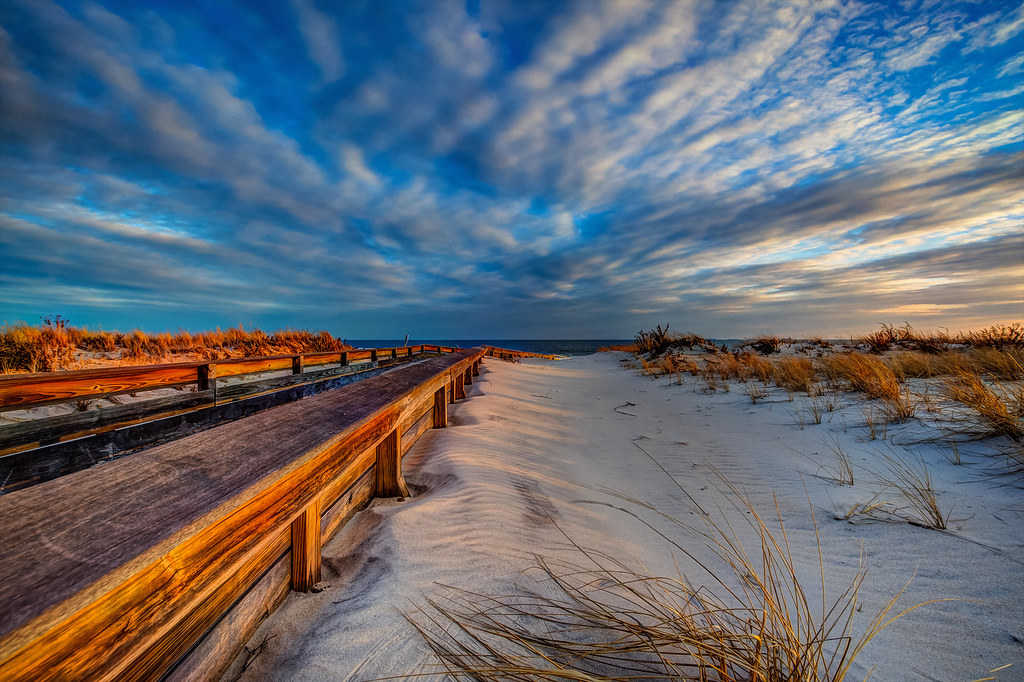
I grew up in New York, and I like to visit often. This year I went in February and shot a lot of sunrise and sunset images at the beach.
This is an HDR from 3 source images shot with D4 and 14-24mm f/2.8, on 1 of my 2 new and favorite tripods (Really Right Stuff - extra tall 4 section series 2 and 3). I'm probably going to get a 3rd one that's a series 4 XL 4 section. After years of skimping on tripod and spending on lenses and bodies I've taken the plunge.
Last year right before going to Florida I got a 1000$ Gitzo and it broke on my second day shooting there when it was only around 3 weeks old. One leg became wobbly and lose.
When I got back from Florida I returned the tripod and ordered an even better and only slightly more expensive Really Right Stuff series 3 tall 4 section one. It is great. I have absolutely no complaints. And then I bought a second one that was a series 2 and as such a little smaller and lighter for a ball head and short lens use.
I have had a few other tripods (crap 1, small Gitzo, and large Fiesol) and really I should have just spent a thousand bucks on the best when I started and been done with it. Everyone makes that mistake so I guess I had to as well. You're probably reading this and have done it too, or will in the future. It's like a right of passage all non-millionaire photographers have to achieve.
-Jon
Read more On "Home by the Sea"!
Tuesday, April 25, 2017
AF-finetune for Subject and Shot - how to get better focus for birds in flight (towards the camera)
I use the AF-finetune to calibrate my lenses and cameras. Usually this works out pretty well. Calibration will set the camera to not front-focus or back-focus, the focus will land where you want it - on the spot where focus was attained.
What I have found almost all the time when shooting birds in flight is that focus is harder. Sure, nothing news worthy there.
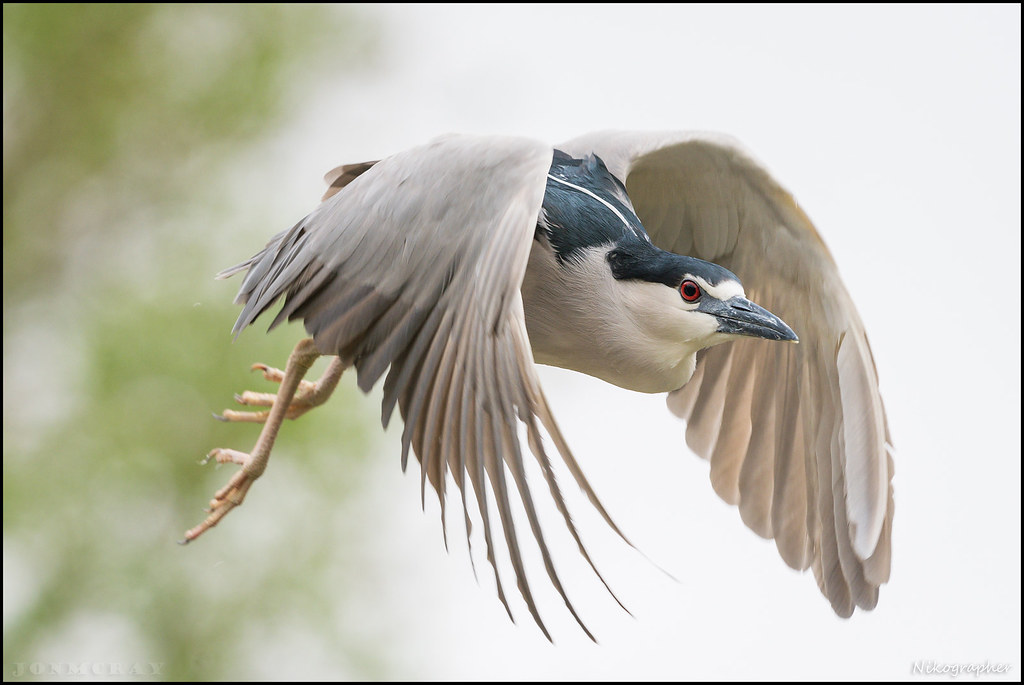
But what is most frustrating is when a bird is flying at the camera focus is rarely on the eye. And it is because the eye is rarely in the center of the frame where the selected focus point is most likely to be.
I've speculated and toyed with changing my AF-finetune specifically to be setup for this type of bird flight shot, but it is rare that I do it. The setup is to change focus to bias towards front-focus. With the birds flying at the camera, and the head likely the closest part of the bird, you want focus to be closer than what you will normally get.
So, I rarely do it because how many flight shots towards the camera in a row do you get and if it is just a few is it worth blowing all the other shots?
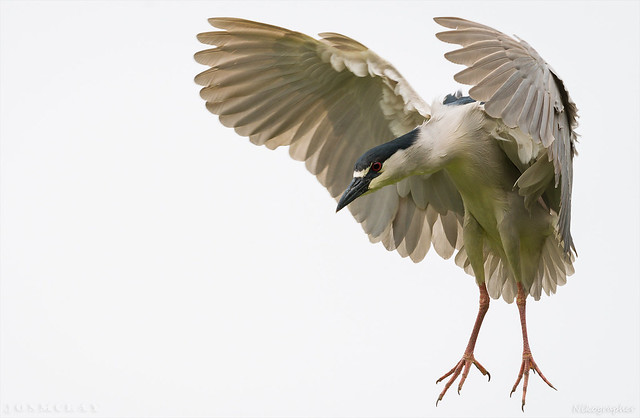
On this day I was shooting the Herons as they were nest building and they kept flying a similar route.
I got some of the best focus in this setup than I have ever gotten before... Normally my lens (600mm f/4) is set to about -14AF I think, and I changed it to -18. I tried a few settings, and the following weekend I tried with my 500mm and experimented more. I got better results with the 600mm at about -4 on top of my normal calibration.
Have you ever tried this technique?
Or are you already happy with your birds in flight towards the camera shots - so no need to tweak this setting?
Updated with another shot from this day
-Jon
Read more On "AF-finetune for Subject and Shot - how to get better focus for birds in flight (towards the camera)"!
Friday, April 21, 2017
Flying Fish
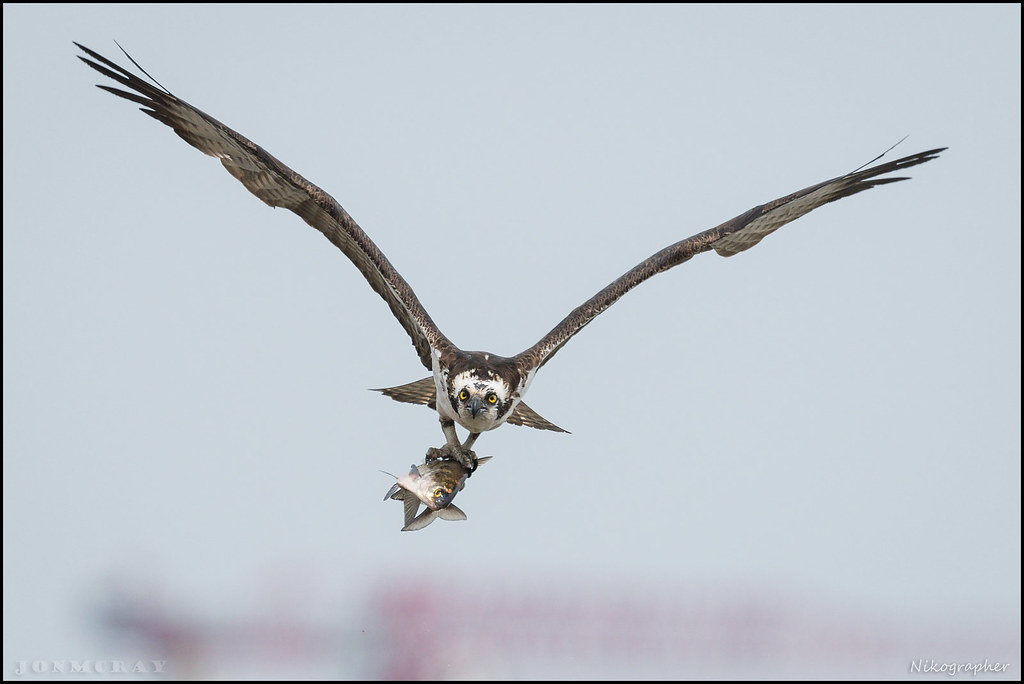
VA Osprey taking a fish for a ride. It was soon to be a meal.
 Read more On "Flying Fish"!
Tuesday, March 28, 2017
Signs of Spring
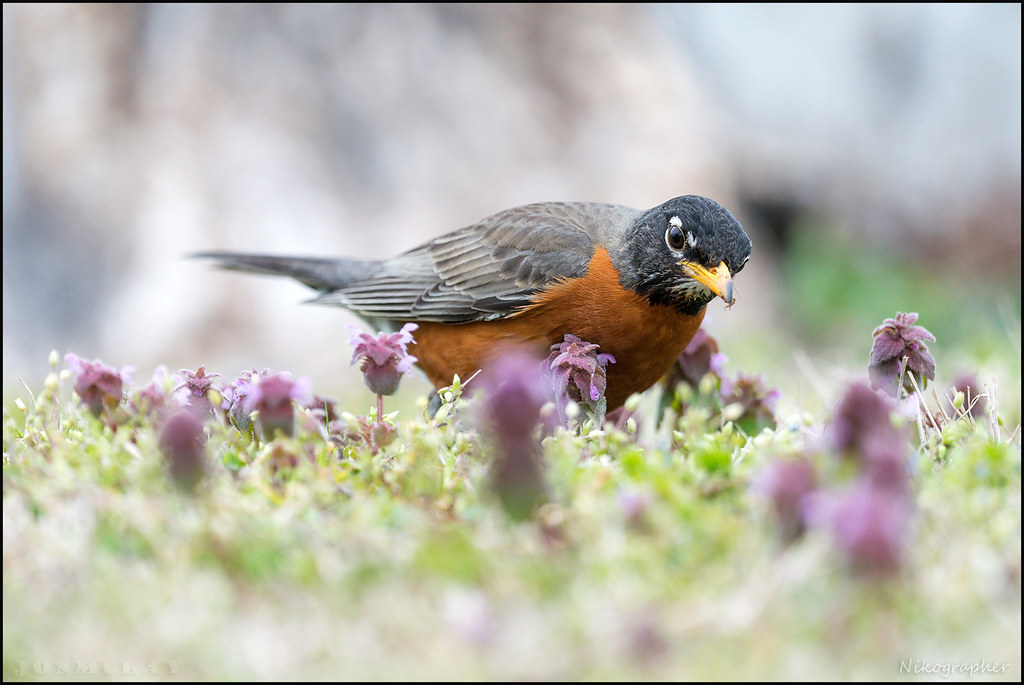
Seeing dozens of American Robins working in the grass and hunting for worms is a welcome sign of spring.
This weekend I was out on the dreary overcast day (Sunday) and found some robins. This was taken by sitting in the grass next to a garbage can to help "blend in" a little, and hand held (probably braced against the can). The birds were a little weary of me, but I waited long enough and the few turned in to a dozen where I was sitting and I managed a handful of images.
The Osprey are back mostly.
Next I'd like to see some Black-Crowned Night Herons...
Read more On "Signs of Spring"!
Saturday, March 25, 2017
Going Old School - Osprey Drawings
When I was a kid, I used to like to draw. I would draw cars, trees, boats, whatever.
Fast forward and now I like to take photos. A ton of photos. I usually take more than 100,000 photos a year. A typical day could be 500-2000 images depending on how many places and cool things and action I encounter.
A month or so ago I bought a couple of sketch books and some pencils, erasers, etc.
Thursday I sat down with a pad and pencil and stared at it for a while. Then I drew a box with a vertical line through it. And I scratched my head so to speak... What is that and why did I draw it? I didn't know. I still don't know, but it was a starting point. I figured out that was NOT what I wanted to draw. Usually my doodles are boxes, three dimensional distractions that are a waste of time but accomplish the goal.
Then from somewhere the idea of drawing a bird came to me. I decided to try to draw an osprey, and drew about 8 that first night, each roughly a quarter of the page I had to work with. Here are 3 from the first night.
Then on the second night I used most of a page and drew this single portrait. It's got some light and shadow...
Tonight (3/25/2017) I drew another osprey portrait but I didn't like the way it came out. It was too dark and there some issues with the proportions being a little bit askew.
So I drew a second image and here's what I came up with, it is from an image I took today of an osprey eating a fish. All these drawings are based on photographs I took at some point. I put the image up on my iPad and then drew...
Tonight's second drawing (above) is the first that has the tail and the repeating patterns in the feathers, and the first with talons. I drew it quickly and probably because I had done another image and given up on it, I was fast to call it done. Looking at it more I could work on the eye more and the left leg might need some adjusting. But part of this exercise is to go quick and make drawings and learn and move on.
I'm still playing with a few modes of doing the drawings. 2 days ago I started with the eyes and then added around that slowly. Today I tried starting with the tree branch and then added the eye and then more of an outline of the bird. In the future I want to try to do more of an outline of the entire bird/subject and then as I go fill in the details. That should help me get the scale and proportions better. But I also know from some past drawings that starting with small details and adding slowly to that can have a surprisingly good result because it is details added to details and the scale is considered for each small area vs. trying to get the scale correct all up front...
Hope you like the drawings, I had fun making them and plan to make more.
-Jon Read more On "Going Old School - Osprey Drawings"!
Tuesday, March 14, 2017
2017 Osprey
When the osprey leave at the end of the summer I always anticipate their return 6 months later. Usually that means early March, some osprey are back and I look forward to seeing my first ones of the year.
First osprey (1/2 of pair) of the year, from March 2017:

Possibly my 2 favorite osprey photos of 2016, from out at St. Michaels on the Maryland Eastern Shore.
Male delivering a fish to a full nest:
![July Osprey [1]](https://c1.staticflickr.com/1/409/31402089070_c9fee244b6_b.jpg)
I don't previsualize photos very often, but this is one I planned for and hoped to capture. The only thing I went to shoot on this and one other day were 2 specific osprey nests, which each had 3 chicks.
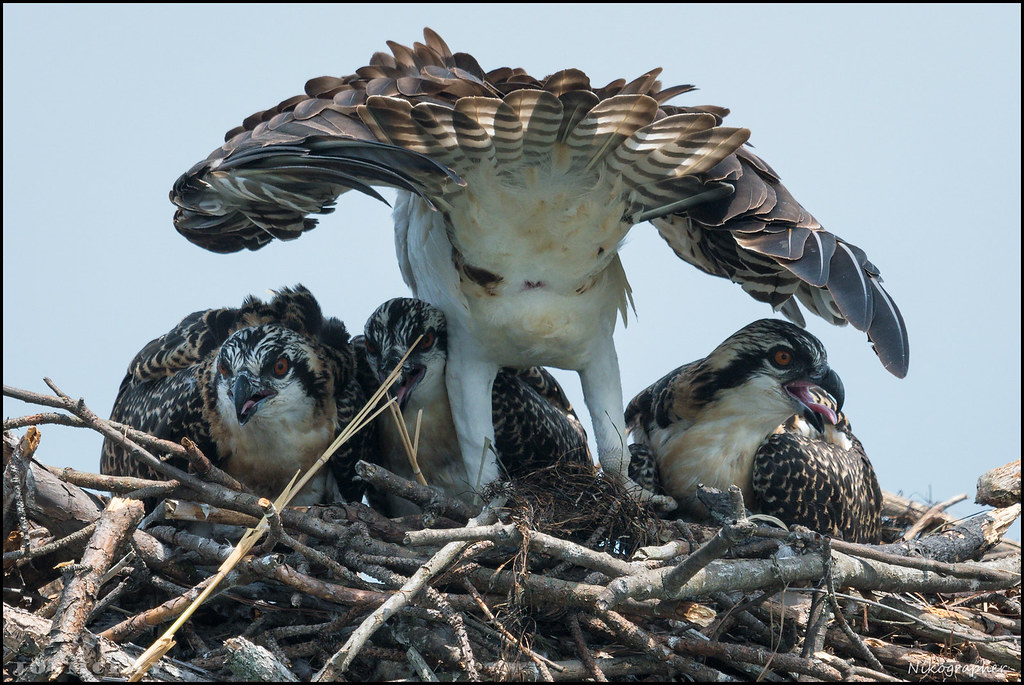
Female shading her 3 chicks on a near 100 degree day:
-Jon
Read more On "2017 Osprey"!
Wednesday, March 8, 2017
Tell me about Your struggle
This tiny turtle was as small as a quarter. I spotted him along the trail at The Nature Conservancy's Meadows in Cape May NJ.
D4 w/ 24-120mm. 1/1250 f/7.1 ISO 220 (manual exposure w/ auto-ISO)
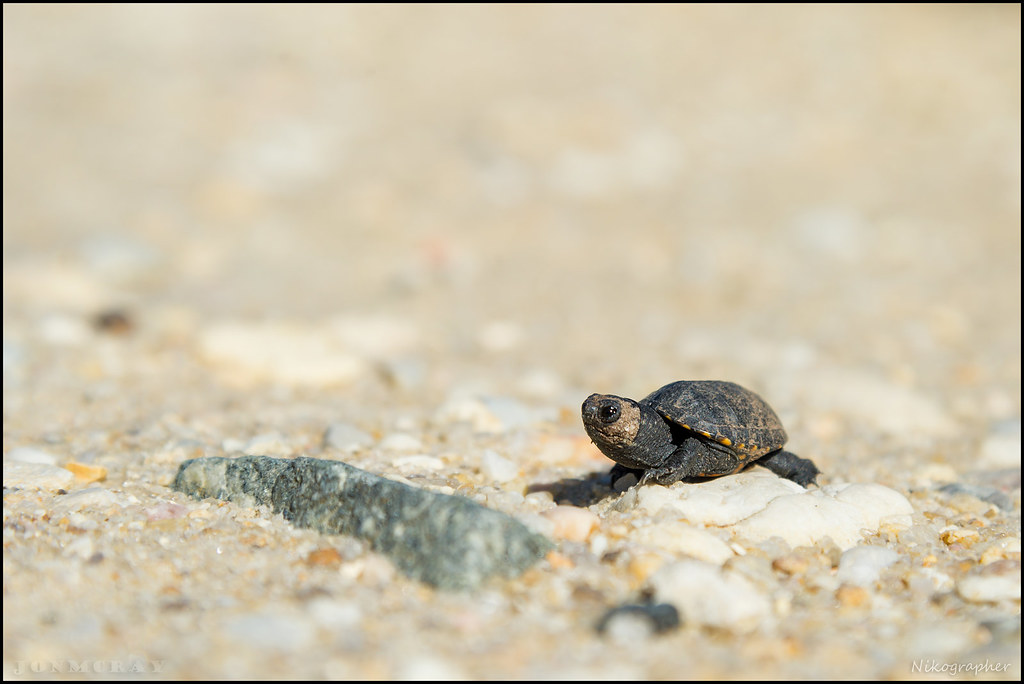
Seeing such a small version of a turtle that is hoping to grow so large and has a huge struggle in front of them was something I found interesting and something to reflect on and gain perspective from.
In day to day life we think we may have it hard and things aren't going our way, and it is such a struggle. But when compared to this little guy we have it easy! He has it so hard I could have easily not spotted him and stepped on him and that's it. Some giant shoe ends his entire life. Over.
And yet we worry and complain and feel like it is so hard our lives.
Read more On "Tell me about Your struggle"!
Subscribe to:
Posts (Atom)


 Posts
Posts





